
By Pamela Waitt
There are foods you like and then there are foods that somehow feel familiar before they have any reason to.
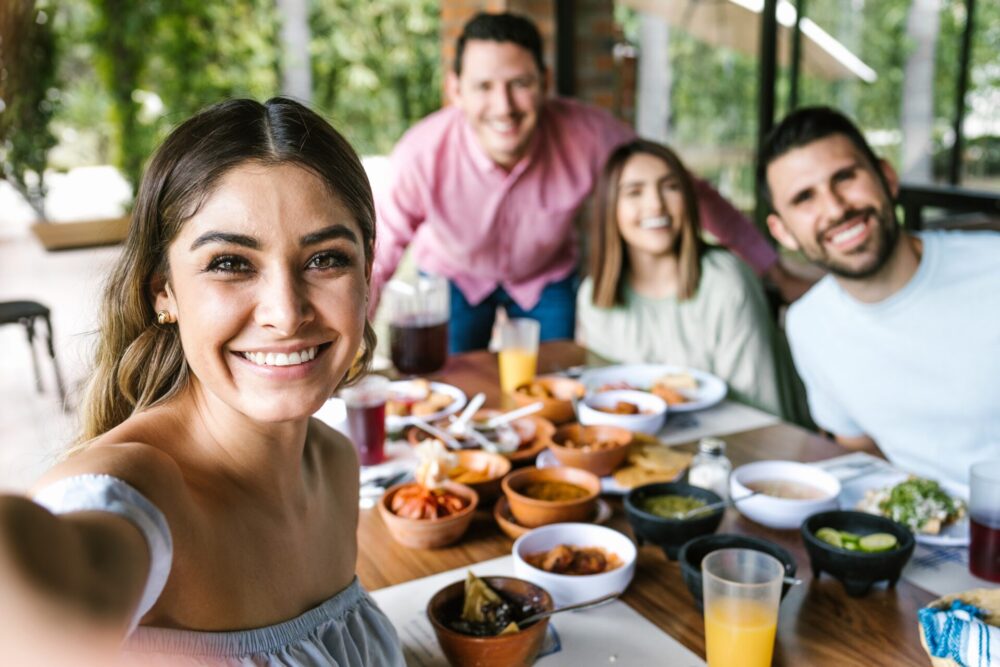
Mexican food has a way of doing that. Maybe it’s the warm tortillas arriving wrapped in a towel. The smell of something roasting. A bowl of salsa appearing before anyone has officially ordered anything. There is very little ceremony. You sit down, food appears, and things improve.
For millions of people in America, Mexican food has become part of the rhythm of everyday life, even when Mexico isn’t part of their own family history. It shows up at birthdays. First dates. Sunday breakfasts. Late nights. Family dinners. Road trips. Neighborhood restaurants you’ve been visiting so long that nobody remembers who originally discovered them. And, obviously, Tuesdays.
At some point, food stops simply being something you eat and starts becoming something you recognize. A feeling, a place, a memory. Home is funny that way. It doesn’t always have to be where you came from. Sometimes it’s where you feel welcome.
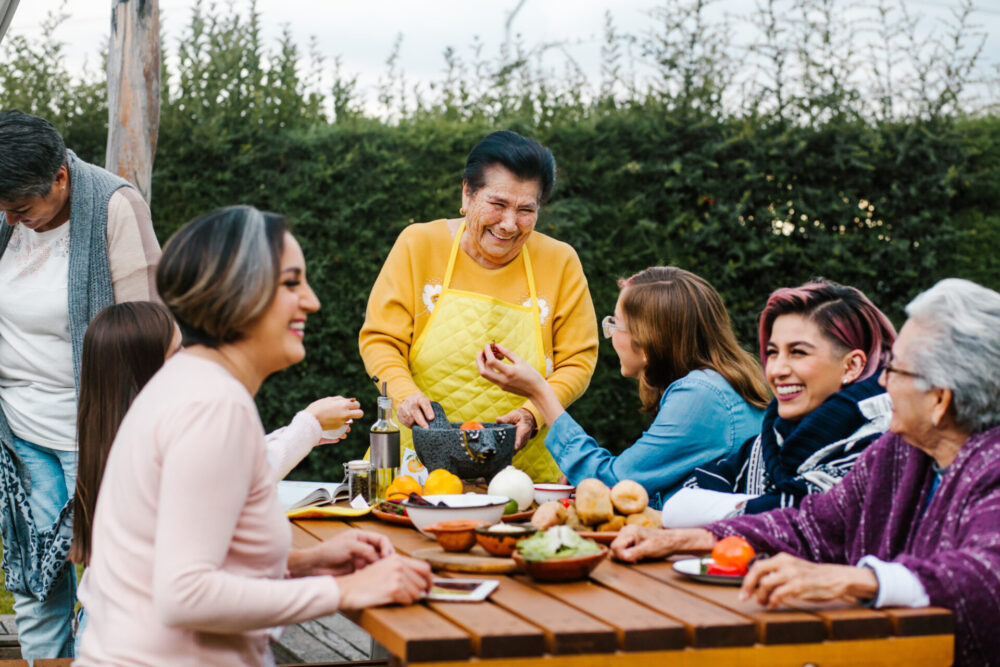
Mexican food is particularly good at welcome; there is generosity built into the experience of it. Salsa in the middle of the table. A plate of tacos that immediately inspires somebody to say, “Try this one.” Nobody has ever made a table feel smaller by adding guacamole.
This is part of what food does beautifully. It travels.
People bring recipes, traditions, techniques, and flavors with them. New places embrace them. Generations grow up eating them. Restaurants become neighborhood institutions. Children remember the places their parents took them. Eventually those children take somebody else.
Culture moves through food quietly. And while the food may become familiar in new places, its origins still matter.
Tacos did not simply appear because America was having a good idea. Mexican cooks, families, restaurateurs and communities brought generations of knowledge, ingredients, traditions and hospitality with them. America got extremely lucky.
We should probably say thank you more often, because Mexican food has contributed something beyond dinner. It has given countless communities gathering places. It has created rituals. And somewhere along the way, those experiences became woven into people’s own lives.
Maybe the taco shop you grew up visiting wasn’t part of your family’s culture when your grandparents were young, but it became part of yours. Maybe you can remember exactly where you were the first time you had a really great street taco. Maybe there is a Mexican restaurant your family has been visiting for twenty years. Maybe chips and salsa mean that everyone you love is about to sit down.
That is what happens when food crosses cultural boundaries in the best possible way. It doesn’t erase where the food came from. It creates another person who appreciates where it came from. There’s something hopeful about that. Then one day, without noticing exactly when it happened, something from somewhere else becomes part of the way you understand your own life.
That doesn’t make it less Mexican. It makes your world a little bigger. Maybe that is why Mexican food can feel like home even when Mexico isn’t where you’re from.
Taco Tuesday People understand this instinctively. And our lives are better because of it.