
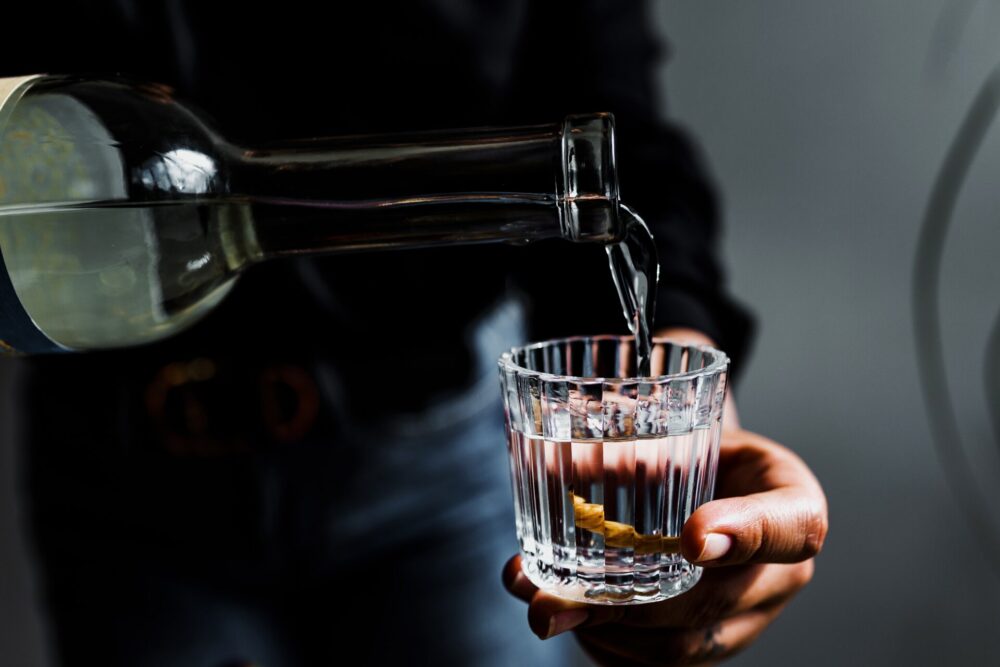
If tequila is Mexico’s polished, high-profile celebrity export, mezcal is its mysterious, rebellious older cousin who lives in the mountains, knows ancient secrets, and smells like a campfire.
For years, mezcal was misunderstood in North America, relegated to novelty bottles with worms at the bottom. But today, mezcal has taken its rightful place as the darling of craft mixology and taco purists alike.
Here is the story behind Mexico’s most sacred spirit, how it’s made, and why it belongs on your table this Tuesday.
According to local folklore, mezcal was born from a sudden, cosmic moment of luck.
Legend has it that a strike of lightning hit a field of wild agave, piercing a plant directly in its heart (the piña). The extreme heat baked the agave, fermenting its natural sugars and releasing a smoky, sweet nectar. The indigenous people called this magical elixir the “elixir of the gods.”
While modern science might tell us it was local artisans mastering underground pit-roasting centuries ago, the myth isn’t far off: mezcal is literally crafted from earth, agave, water, and fire.
Unlike mass-produced spirits made in stainless-steel industrial autoclaves, traditional mezcal is a slow, painstaking art form passed down through generations of Palenqueros (mezcal makers).
It’s one of the most common questions at the bar, and the answer is simple: All tequila is mezcal, but not all mezcal is tequila.
Feature – Tequila
Agave Type – Strictly 100% Blue Weber Agave
Region – Primarily Jalisco state
Cooking Method – Steamed in ovens/autoclaves
Flavor Profile – Bright, crisp, agave-forward, citrusy
Feature – Mezcal
Agave Type – Over 30+ varieties of agave
Region – Mostly Oaxaca (plus 8 other certified states)
Cooking Method – Pit-roasted underground with wood & stone
Flavor Profile – Smoky, earthy, floral, complex, savory
Rule #1: Don’t Shoot It. Mezcal isn’t meant to be downed with a cheap lime wedge. In Mexico, the saying goes: “El mezcal no se toma a sorbos, se besa” – You don’t sip mezcal, you kiss it.
To enjoy mezcal authentically: