
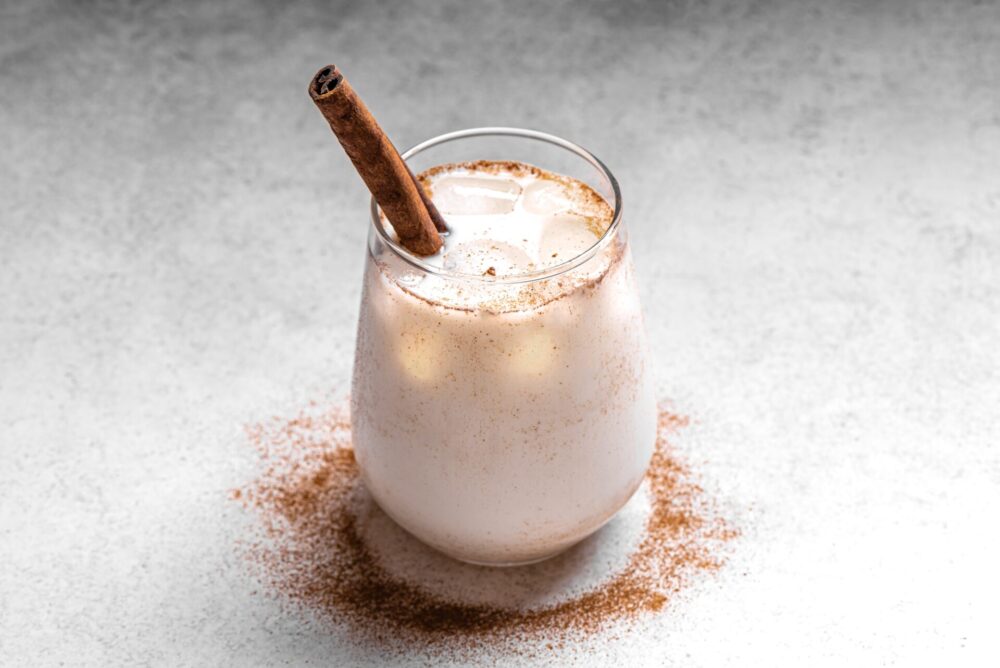
The centuries-old drink has traveled from tiger nuts to rice, from taqueria pitchers to cold brew and bubble tea. Now America’s biggest chains want a sip.
For years, horchata occupied one of the most reliable positions in the Mexican restaurant universe: sweating gently in an agua fresca dispenser, ready to cool the chile burn from whatever you ordered.
It did not need foam. It did not need pearls. It certainly did not need a purple drizzle.
Then 2026 happened.
Starbucks rolled out an Iced Horchata Shaken Espresso and Horchata Frappuccino. El Pollo Loco poured horchata into iced coffee. Bubble-tea chain Gong cha introduced horchata milk tea and two blended “Bobaccinos.” Now Taco Bell has turned the flavor into a Chiller, cold brew float and fruit Refrescas, with three drinks headed to participating restaurants nationwide in December.
Horchata, it seems, has escaped the taqueria cup.
Calling horchata a Mexican rice drink is accurate in the same way that calling salsa “a tomato sauce” is accurate: sometimes true, but nowhere near the whole story.
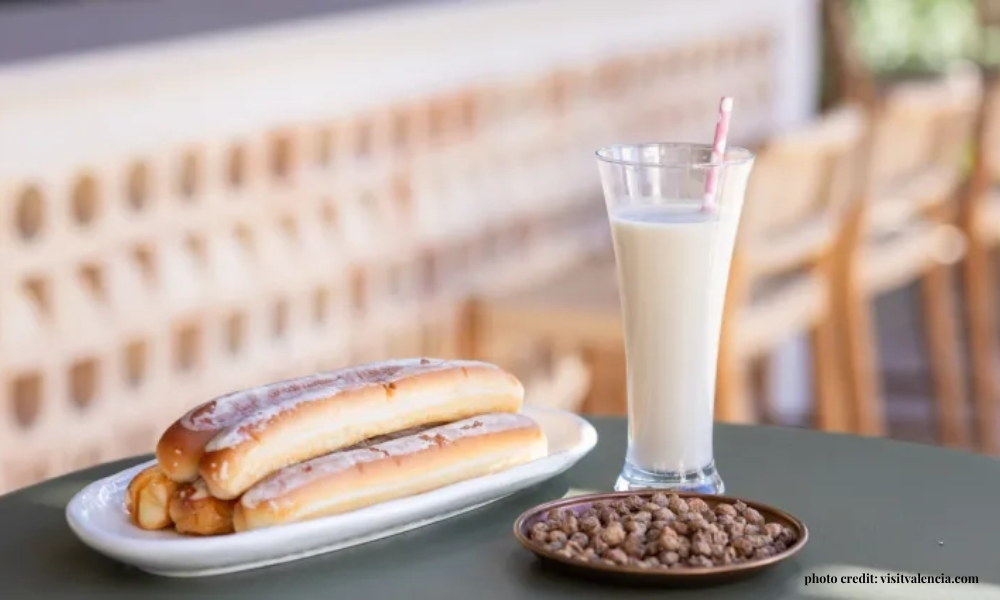
Its family tree stretches across continents and centuries. Tiger nuts, or chufas, were cultivated in ancient Egypt and spread through North Africa. Islamic expansion brought the crop to the Valencia region of Spain, where records show people drinking llet de xufes, or tiger-nut milk, by the 13th century. Traditional Valencian horchata is still made by soaking and grinding tiger nuts with water and sugar. Visit Valencia’s history
The drink reached Mexico through Spain, but the recipe did not arrive frozen in time. Mexican cooks adapted it to local ingredients and tastes. Rice became the most familiar base, usually joined by water, sugar and cinnamon. Milk, vanilla or almonds may enter the picture, but there is no single national formula.
The variations become more interesting the closer you look. Mexico’s Diccionario enciclopédico de la Gastronomía Mexicana documents coconut horchata in Veracruz, Tabasco and Campeche; almond and melon-seed versions in Chiapas; oat horchata in Colima and Tabasco; and Oaxacan preparations finished with melon, nuts, citrus peel or seasonal jiotilla fruit. Some Veracruz communities make it with melon seeds or coyol. Larousse Cocina’s horchata entry
In other words, horchata has always been a remix. The remix just used to happen from town to town rather than from one chain’s research kitchen to another.
The current signal is not that Americans have suddenly discovered horchata. Mexican and Mexican-American families, restaurants and paleterías have been making and serving it here for generations.
What has changed is the number of mainstream beverage formats being built around its flavor.
Starbucks brought back its Iced Horchata Shaken Espresso in May and added a Frappuccino flavored with cinnamon, vanilla and toasted-rice notes. Starbucks summer menu, May 11
El Pollo Loco followed in June with “Chatacoffee,” combining iced coffee with horchata, cold foam or both. In October, Gong cha introduced horchata milk tea, a coffee Bobaccino and a tea Bobaccino at participating U.S. stores. El Pollo Loco announcement, June 23, Gong cha announcement, Oct. 6
Then Taco Bell went wide.
Its four-drink Live Más Café lineup includes a Purple Horchata Chiller, Chocolate Horchata Cold Brew Float, Strawberry Horchata Refresca and Vanilla-Spiced Horchata Refresca. Three horchata drinks are scheduled to reach participating Taco Bell restaurants nationwide on December 10.
The company says its 39 Live Más Cafés have sold approximately 1.3 million beverages, with breakfast and afternoon emerging as particularly popular times. Those cafés are effectively drink laboratories supporting Taco Bell’s ambition to reach $5 billion in beverage sales by 2030. Taco Bell announcement, Oct. 15
That does not prove the country is in the grip of Horchata Mania. It does show that several very different chains believe the flavor can travel: from espresso to milk tea, from a frozen dessert to something served beside a Crunchwrap.
Horchata gives drink developers something unusually valuable: familiarity and novelty in the same cup.
Cinnamon and vanilla are recognizable. Toasted rice and nuts offer more character without requiring a chile-waiver level of bravery. The creamy profile pairs naturally with coffee, fruit and chocolate, while its cooling sweetness makes sense beside spicy or salty food.
It also works in nearly every format currently fighting for beverage dollars: cold brew, shaken espresso, blended drinks, refreshers, milk tea and frozen desserts. Horchata can be breakfast, an afternoon treat or the thing that rescues your tongue after an ambitious encounter with salsa roja.
There is also a larger shift hiding inside the cup. Restaurant chains increasingly want beverages that feel like occasions rather than accessories. A soda accompanies lunch. A Chocolate Horchata Cold Brew Float can be the reason someone visits at 3 p.m.
For Taco Bell, that extra visit is the business case. For customers, it is dessert with a straw.
There is one useful distinction to keep in view: many of these products are horchata-inspired. They reproduce the familiar cinnamon, vanilla and rice notes through syrups or flavor systems, but they are not necessarily made by soaking, grinding and straining rice, nuts or seeds.
That does not automatically make them bad drinks. It does make clear labeling important.
The deeper opportunity is for chains to treat horchata as more than a trendy synonym for “creamy cinnamon.” Its history contains migration, adaptation and remarkable regional variety. A melon-seed horchata from Chiapas and a coconut-rich version from Mexico’s Gulf Coast offer far more interesting inspiration than simply adding another pump of syrup.
Independent restaurants and aguas frescas makers should remain at the center of that conversation. They can show drinkers that horchata is not one flavor profile but an entire category of techniques, ingredients and family preferences.
Ask five people how horchata should taste and you may receive seven answers, followed by a recipe from somebody’s aunt.
A Rise, but Not a Reinvention
Horchata’s ascent is real, at least on American chain menus. But it is best understood as expansion rather than invention.
The drink has moved before: from North Africa to Valencia, from tiger nuts to rice, and from a Mediterranean refreshment into dozens of Mexican regional forms. Its latest trip takes it through espresso machines, bubble-tea blenders and fast-food test kitchens.
Some experiments will disappear when the promotional window closes. Others may become permanent. Either way, millions of customers are about to meet a word and flavor that taquerias have been serving all along.
The most enjoyable next step is also the simplest: try the remix, then find the real thing. Order the cold brew float if curiosity demands it. But also visit a local Mexican restaurant or paletería, ask how its horchata is made and pay attention to the answer.
That is where the story gets good.