
Before hot chocolate became a winter obsession, Mexico had something even better.
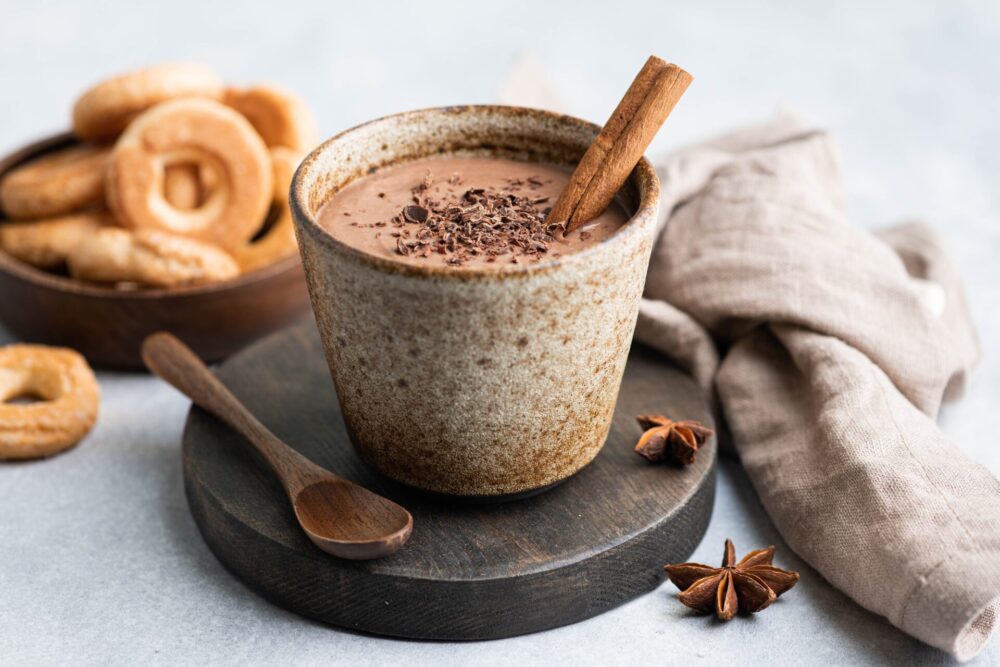
There’s hot chocolate. And then there’s champurrado. Rich, velvety, chocolatey, and wonderfully comforting, champurrado (chahm-poo-RAH-doh) is Mexico’s beloved chocolate-and-corn drink that’s been warming hearts and hands for generations.
Made with Mexican chocolate, masa (corn dough), cinnamon, and piloncillo, this traditional drink is thicker than ordinary hot chocolate, with a beautiful, earthy richness that makes every sip feel like something special.
Think hot chocolate with a little more soul, a little more history, and a whole lot of comfort. But here’s where it gets really interesting: the story of champurrado begins long before chocolate bars, coffee shops, or even the arrival of Europeans in the Americas.
A Drink With Ancient Roots
To understand champurrado, we have to travel back to ancient Mesoamerica, where two ingredients were at the center of everyday life: corn and cacao. For thousands of years, Indigenous civilizations throughout Mexico and Central America cultivated corn, transforming it into tortillas, tamales, and nourishing beverages. One of those drinks was atolli, a Nahuatl word associated with atole, a warm, thick beverage made from ground corn and water. It was filling, comforting, and an important part of daily life.
Cacao had an equally fascinating history.
Long before chocolate became a sweet treat, Mesoamerican civilizations, including the Maya and Mexica (Aztec), prepared cacao-based beverages. Cacao was deeply valued and played important roles in trade, ceremonies, and cultural traditions. Over time, the worlds of corn and chocolate came together in the drink we know today as champurrado.
The version enjoyed in modern Mexican kitchens also reflects centuries of culinary evolution. During the colonial period, ingredients such as cane sugar, cinnamon, and milk helped shape new variations of traditional corn-based drinks. The result? A beautiful example of how food traditions grow and evolve while keeping their roots alive. And centuries later, we’re still drinking it.
Some recipes are simply too good to disappear.
What Makes Champurrado Different From Hot Chocolate?
Here’s the delicious little secret: It’s the masa. While regular hot chocolate is typically made with chocolate and milk or water, champurrado gets its signature velvety texture from finely ground, nixtamalized corn. The masa gently thickens the drink, creating something between a luxurious hot chocolate and a warm, silky pudding, only thinner and completely sippable. Mexican chocolate adds deep cacao flavor, cinnamon brings warmth, and piloncillo, an unrefined cane sugar, contributes rich caramel notes.
It’s sweet without needing to be overly sugary, wonderfully aromatic, and surprisingly satisfying. In other words, this isn’t something you rush through on your way out the door. Champurrado asks you to slow down a little. And we’re perfectly fine with that.
Prep Time: 5 minutes
Cook Time: 20–25 minutes
Servings: 4–6
Ingredients
Let’s Make Some Chocolate Magic
The Beautiful Tradition of Champurrado and Tamales
In Mexico, champurrado isn’t just a cold-weather treat. It’s deeply connected to family gatherings, celebrations, and the everyday joy of sharing food. It’s especially popular during the holiday season, including Las Posadas and Christmas festivities, when steaming mugs are often served alongside freshly prepared tamales. It’s a pairing that makes perfect sense.
The savory richness of a tamal combined with the sweet warmth of champurrado is one of those culinary combinations that needs absolutely no improvement. Champurrado is also wonderful alongside pan dulce, particularly conchas, or with a warm churro for dipping.
Chocolate and sweet bread? Some traditions are clearly onto something.
A Few Tips for the Perfect Cup
Use Mexican chocolate. Traditional Mexican chocolate often contains sugar and cinnamon and has a distinctive texture and flavor. Look for tablets at Mexican markets or in the international aisle of your grocery store.
Don’t skip the masa. Masa harina is what makes champurrado champurrado. Regular cornmeal isn’t a good substitute.
Make it your own. Some families prepare champurrado entirely with water, while others prefer milk for a creamier texture. Regional recipes vary, and that’s part of the beauty of traditional cooking.
Keep whisking. A traditional Mexican wooden whisk called a molinillo can be used to blend and froth the drink. A regular kitchen whisk works beautifully, too.
Save the leftovers. Champurrado thickens as it cools. Refrigerate leftovers in a covered container for up to three days, then gently reheat with a splash of milk or water.
It’s a Little Piece of History
There’s something wonderful about recipes that survive for centuries. Ingredients change. Kitchens evolve. Generations come and go. Yet some flavors continue to bring people together. Champurrado is one of those traditions. A drink built on the ancient culinary foundations of corn and cacao, enriched through centuries of Mexican food history, and still loved today.
The next time the weather turns chilly, skip the ordinary hot chocolate and make yourself a little champurrado. Sometimes the best way to warm up is with a recipe that’s been warming hearts for generations.
Explore more delicious recipes and traditions at TacoTuesday.com.