
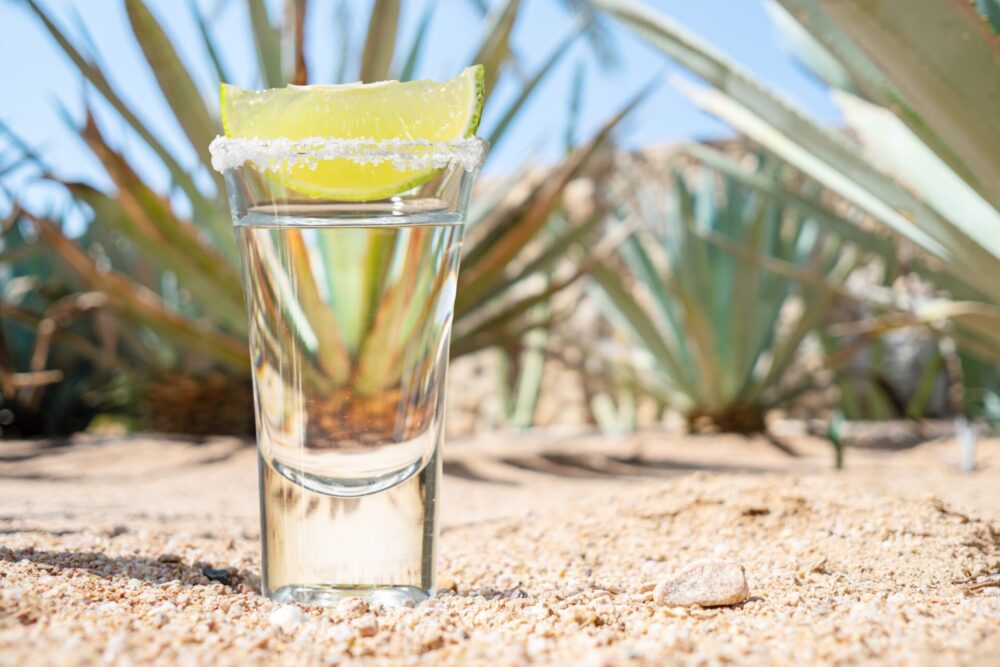
The agave, the traditions, and a few facts worth bringing to your next Taco Tuesday.
Tequila has a standing invitation to Taco Tuesday. Mezcal deserves one, too.
If you have ever looked at a restaurant’s mezcal selection and wondered where to begin, a little background makes that long list of unfamiliar names much more inviting. The differences between tequila and mezcal begin with the agave and continue through the places, people, and methods involved in making them.
Their histories are connected: tequila developed from Mexico’s broader mezcal tradition. Today, tequila and mezcal have their own protected names and production rules. Knowing that helps explain why two spirits with shared roots can offer such different experiences.
Mezcal vs. Tequila: What’s the Difference?
The most useful place to start is with what goes into the bottle and where it comes from.
| What to know | Tequila | Mezcal |
| The agave | Uses blue Weber agave, Agave tequilana, blue variety. | Can use many agave types, including Espadín, tobalá, cenizo, and others. |
| Where it’s made | Its protected region includes Jalisco and designated municipalities in Guanajuato, Michoacán, Nayarit, and Tamaulipas. | Comes from authorized regions in Mexico, with Oaxaca the leading production center. |
| How the agave is cooked | Common methods include steam cooking in masonry ovens or autoclaves, although methods vary. | Many producers roast agave in earthen pits; other oven methods are also permitted. |
| The fermentation sugars | “100% agave” tequila uses entirely blue-agave sugars. The category labeled simply “Tequila” requires at least 51% blue-agave sugars. | Mezcal is made with 100% agave fermentation sugars. |
Those percentages describe the sugars used before fermentation, rather than the sugar content of the finished drink.
The agave name is especially useful when exploring mezcal. It gives you a starting point for understanding what you are tasting, much as a grape name helps you begin a conversation about wine.
About That Smoke
Smoke gets a lot of attention in conversations about mezcal. Sometimes it makes a bold entrance. Sometimes it is a quieter part of the picture.
Mezcal can also show floral, herbal, fruity, nutty, and mineral notes. Different bottlings might suggest ripe fruit, fresh herbs, roasted flavors, or a delicate earthiness. Producers such as Derrumbes describe expressions ranging from floral and herbaceous to fruity with light smokiness – a useful reminder of how much variety exists within the category.
That means your experience with one mezcal does not have to settle the matter forever. If a previous pour felt too smoky, tell your bartender. Ask for something where fruit or herbal character comes forward. If you enjoy those deeper roasted notes, say that, too.
You are allowed to have preferences before you have a vocabulary.
How to Order Mezcal Without Turning Dinner Into an Exam
Start with a simple request: “I’m exploring mezcal. What would you recommend if I like something fruity, herbal, or lightly smoky?”
Ask about the agave and the producer. If you want to taste the spirit itself, try a small neat pour, smell it gently, and take your time. Give yourself a moment to notice what you enjoy.
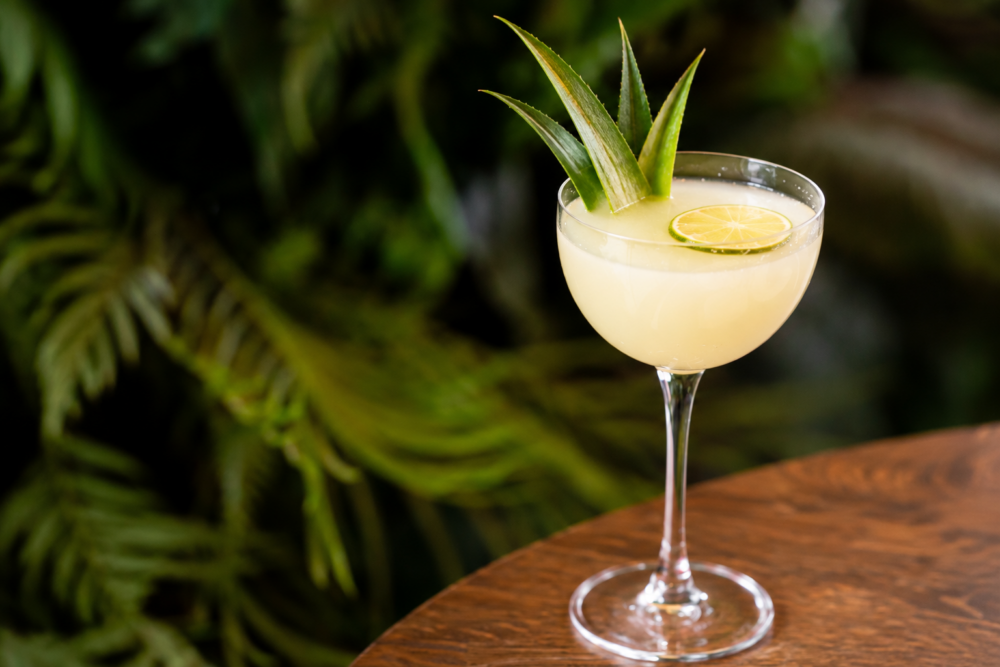
A cocktail is another welcoming place to begin. Ask your bartender for a mezcal drink built around flavors you already like, whether that means bright lime, grapefruit, pineapple, or something savory.
There is no need to deliver a tasting speech. “I like this one” remains a complete sentence.