
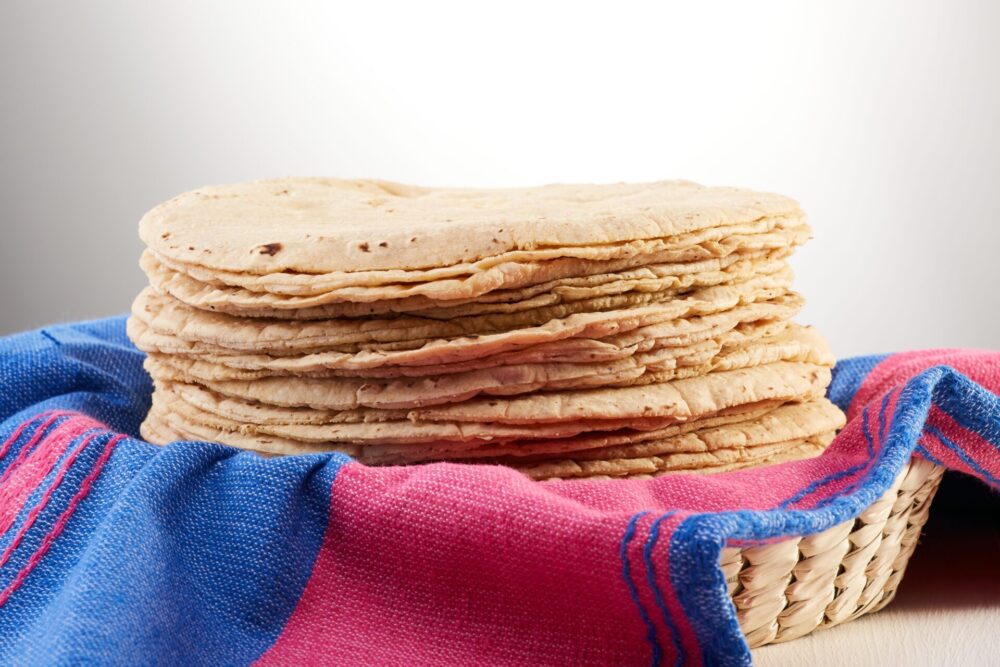
If you’ve ever bitten into a street taco only to have the bottom blow out like a cheap tire, you’ve experienced a failure of structural engineering. But when a tortilla is right, supple, fragrant, and strong enough to carry a mountain of carnitas, it’s not just luck, it’s an 11,000-year-old scientific process called nixtamalization.
To truly appreciate your Tuesday feast, we have to go deep into the grain.
The Secret is in the Soak: What is Nixtamalization?
You can’t just grind up dried corn and make a tortilla. If you did, you’d essentially have gritty cornmeal mush that won’t stick together.
Ancient Mesoamericans discovered a brilliant workaround: they soaked the corn in an alkaline solution (usually water mixed with wood ash or lime/calcium hydroxide). This process, known as nixtamalization, does three magical things:
The Structural Bonding: It breaks down the hemicellulose in the corn cell walls. This allows the corn to form a dough (masa) that actually holds its shape without crumbling.
Nutritional Unlocking: Corn contains Vitamin B3 (niacin), but it’s naturally “locked” inside. Nixtamalization releases it, making the corn more nutritious and preventing diseases like pellagra.
The Flavor Pop: The alkaline soak reacts with the corn’s oils to create that distinct, nutty, earthy “tortilla smell” we all crave.
The Structural Integrity: Why the “Double-Ply” Rule Exists
We’ve all seen it: the classic street taco served with two corn tortillas stacked on top of each other. While some might think it’s just to fill you up, there is a serious mechanical reason for the “double-ply” method.
1. The Steam Barrier
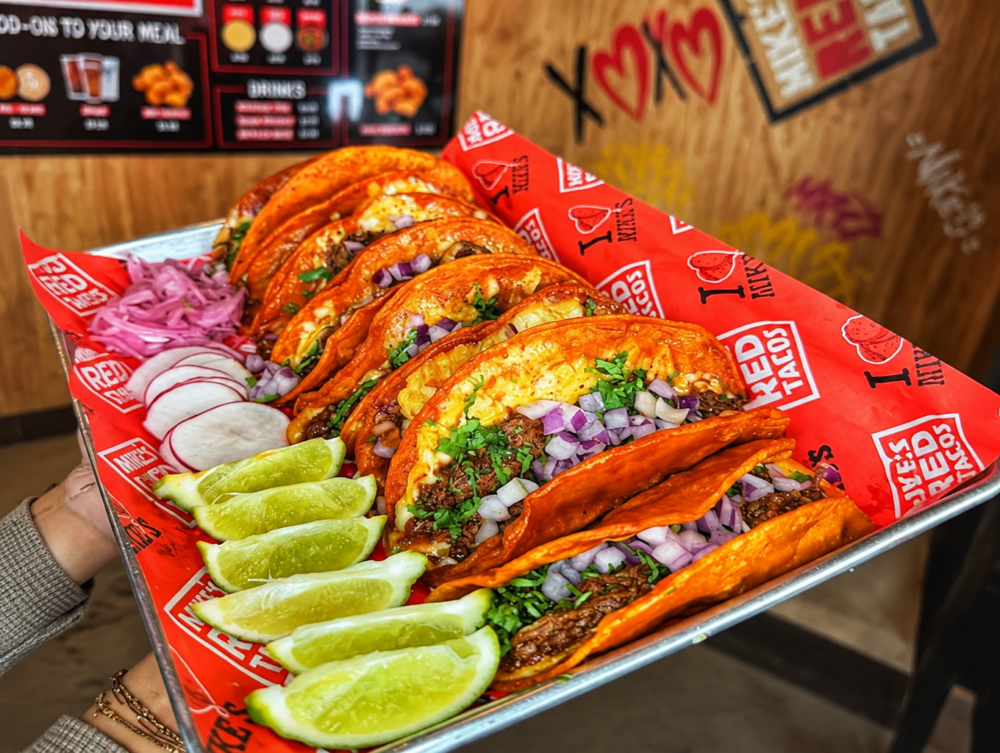
Corn tortillas are porous. When you hit them with juicy fillings like al pastor or birria, the liquid immediately begins to migrate into the masa. The first tortilla acts as a sacrificial barrier, absorbing the moisture so the second tortilla can remain dry and structurally sound.
2. Heat Retention
A single tortilla loses heat rapidly. Two tortillas create a small pocket of insulation, keeping the meat at the ideal temperature from the first bite to the last.
3. The “Safety Net”
Let’s be honest: real tacos are messy. The double-ply allows you to catch any “fallout” from the first tortilla. Many taco pros actually split the tortillas halfway through, using the second one to scoop up the meat that escaped the first – essentially turning one taco into one-and-a-half.
How to Spot a “Scientific” Success
Next time you’re at your favorite spot, look for these three markers of a perfectly engineered corn tortilla:
The Puff: If a tortilla puffs up on the comal (griddle), it means the internal structure is perfect. The steam is trapped between the layers of the masa, indicating the nixtamalization was done right.
The Fold Test: A great corn tortilla should be able to fold in half without snapping or cracking. That flexibility comes from proper hydration and grind size.
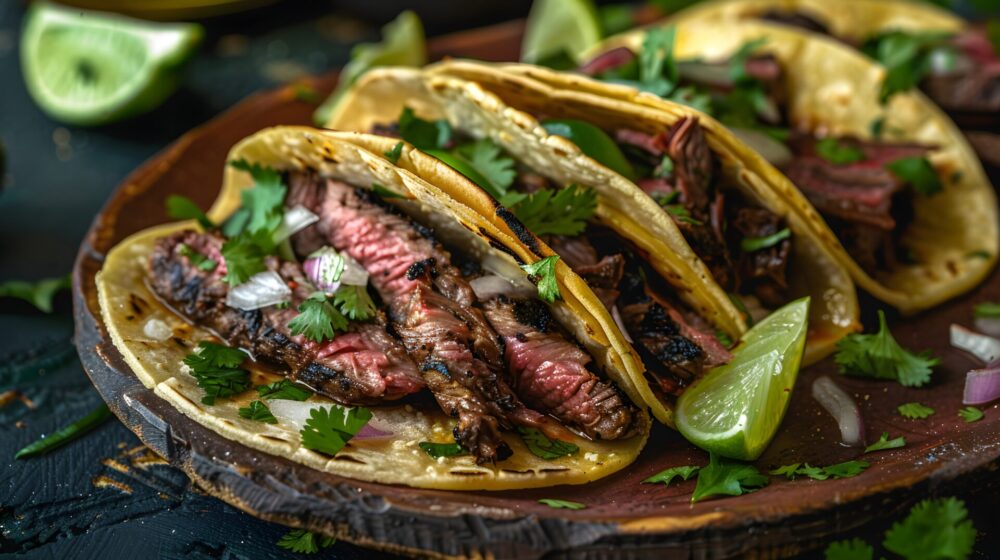
The Toasty Freckles: Those little brown spots (leopard spotting) are where the natural sugars in the corn have caramelized against the high heat, adding a final layer of smoky complexity.
The Verdict
The next time someone asks why you’re so obsessed with Taco Tuesday, tell them you’re a fan of ancient chemistry. Between the alkaline soak of the grain and the dual-layered architecture of the wrap, the humble taco is arguably the most sophisticated sandwich on the planet.
Stay hungry, and always respect the double-ply.